Do Bats Hibernate in North Carolina?
Yes and no — it depends on the species and the weather. North Carolina's relatively mild winters mean bats here don't experience the deep, months-long hibernation seen in northern states. Instead, most NC bats enter a state called torpor — a lighter form of hibernation where they reduce their body temperature and metabolic rate during cold spells but can wake up and become active during warm winter days.
This is important for homeowners because it means bats roosting in your attic don't disappear in winter. They're still there, just less active. And on warmer winter evenings — which are common in the Triangle — you may see bats leaving your home to forage, which can be confusing if you thought bats were "gone for the winter."
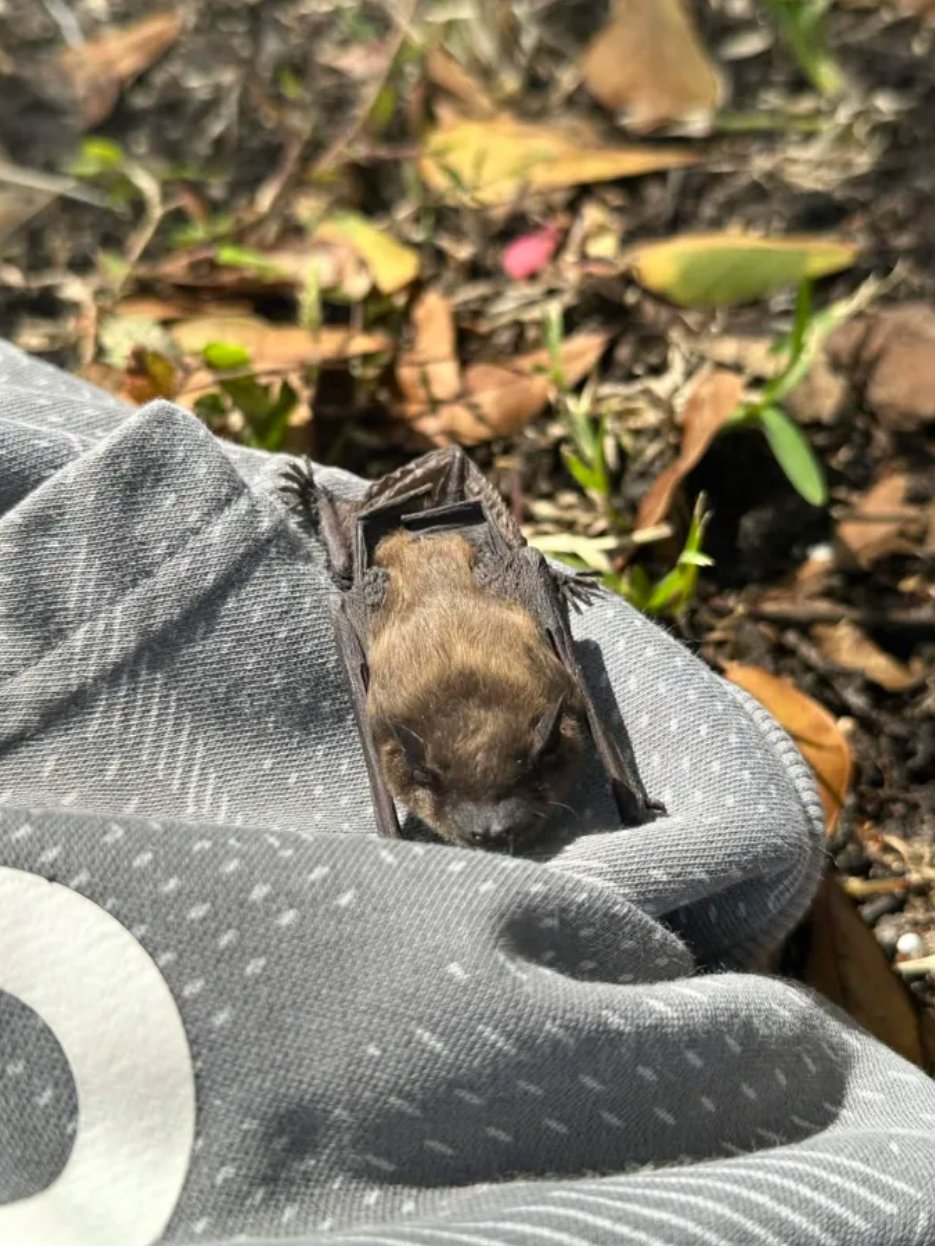
Winter Bat Behavior in the Triangle
Here's what bat activity looks like throughout the year in the Raleigh-Triangle area:
- November-February: Bats enter torpor during cold snaps but may become active on warmer evenings (above 50°F). They remain in their roost — your attic — throughout winter. You may hear occasional rustling or squeaking on warm days.
- March-April: Bats become fully active again as temperatures rise and insects return. This is when bat activity in attics increases noticeably. This is also the best time to schedule bat exclusion — before maternity season begins May 1st.
- May-July: Maternity season. Female bats give birth and nurse their pups. Bat exclusion is illegal during this period in North Carolina.
- August-October: Pups are flying independently. This is the second-best window for bat exclusion. Bat activity peaks as they feed heavily before winter.
Where Do Bats Hibernate?
In the wild, bats hibernate in caves, mines, and rock crevices — locations with stable, cool temperatures and high humidity. But in suburban areas where natural hibernation sites are scarce, bats increasingly use human structures:
- Attics — the most common roosting location in Triangle-area homes, especially behind gable vents and along ridge lines
- Wall voids — bats can squeeze into wall cavities through small exterior gaps
- Behind shutters — decorative shutters provide a sheltered roosting spot
- Chimneys — unused chimneys offer cave-like conditions
- Barns and outbuildings — large open structures with high ceilings
Can I Remove Bats in Winter?
Technically, bat exclusion is legal in North Carolina from August through April (outside the May 1 - July 31 maternity blackout). However, winter exclusion has challenges. During deep torpor, bats may not respond to exclusion devices because they're not actively leaving the roost to feed. If a bat valve is installed during a cold spell, the bats inside may not exit for days or weeks.
The most effective timing for bat exclusion in the Triangle is:
- Best: March-April — bats are active, exclusion is legal, and you beat the May 1st maternity deadline
- Good: August-October — maternity season is over, bats are highly active
- Possible but challenging: November-February — legal but less effective during cold spells
Spring Is the Time to Act
If you suspect bats in your attic, right now is the ideal time for an inspection and exclusion. Once May 1st arrives, you'll have to wait until August. Schedule a professional bat inspection to assess your situation and develop a plan.
Signs of Bats Overwintering in Your Attic
Even during winter, there are signs that bats are roosting in your home:
- Guano accumulation below gable vents or eaves — droppings pile up even when bats are less active
- Brown staining around entry points from body oils
- Bats seen on warm evenings leaving the roofline at dusk
- Ammonia-like odor in the attic, especially on warmer days when air circulates more
- Occasional squeaking from the attic during warm spells
The Longer Bats Stay, the Bigger the Problem
Each winter that bats overwinter in your attic means another season of guano accumulation, another breeding cycle that increases the colony size, and a growing risk of bat bug migration into your living space. Addressing the issue sooner rather than later saves money on cleanup and prevents the colony from growing.