Bats in the Raleigh-Triangle Area
North Carolina hosts 17 species of bats, making it one of the most diverse bat habitats in the eastern United States. While most of these species roost in caves, trees, and natural structures, several species have adapted to living in human-made structures — especially attics, gable vents, and wall voids. These are the species Rapid Wildlife Removal encounters most frequently in Triangle-area homes.
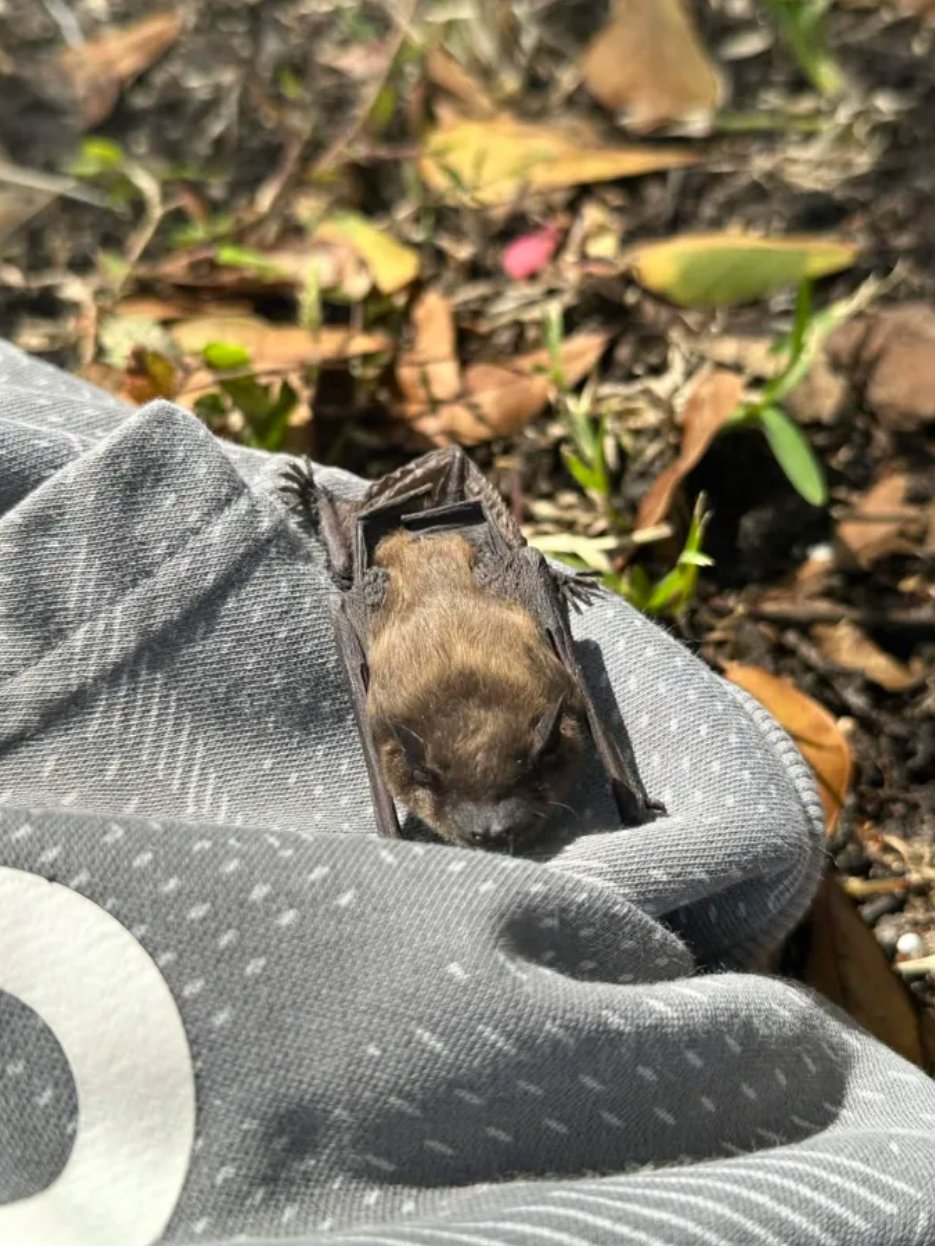
Big Brown Bat (Eptesicus fuscus)
The big brown bat is the most commonly encountered bat in North Carolina homes. With a wingspan of 12-13 inches and glossy brown fur, they're the largest bat species homeowners typically find in their attic. Big browns are incredibly adaptable, roosting successfully in both old and new construction. They're also among the most persistent — once established, they'll return to the same roost year after year if entry points aren't sealed.
A single big brown bat can consume up to 1,200 insects per hour, making them highly beneficial when roosting outside. A single colony in an attic, however, can produce enough guano to create health hazards within one season.
Little Brown Bat (Myotis lucifugus)
The little brown bat is one of the smallest bat species in North America, with a wingspan of approximately 9-11 inches. Despite their small size, they form large maternity colonies — sometimes numbering in the hundreds. Their small body allows them to squeeze through gaps less than half an inch wide, making exclusion particularly challenging.
Little brown bat populations have been severely impacted by white-nose syndrome, a devastating fungal disease that has killed millions of bats across eastern North America since its discovery in 2006.
Brazilian Free-tailed Bat (Tadarida brasiliensis)
One of the fastest flying bat species in North America, Brazilian free-tailed bats are common in the Triangle during warmer months. They're named for their distinctive tail that extends beyond the tail membrane. These bats typically form enormous colonies and can produce significant guano accumulations quickly.
Eastern Red Bat (Lasiurus borealis)
Easily recognized by their distinctive reddish-orange fur, eastern red bats are primarily tree-roosting bats that blend in with dead leaves and bark. While they rarely invade attics, they occasionally enter homes through open windows or doors, especially during fall migration. If you find a single bat in your living space with reddish fur, it's likely an eastern red bat.
Why Bat Identification Matters
Different bat species have different roosting preferences, colony sizes, and behavioral patterns — which affects how exclusion is approached. A professional inspection can identify which species is present and develop the most effective exclusion strategy for your specific situation.