Raccoons in the Triangle
Raccoons are among the most intelligent and adaptable wildlife in North Carolina. In the Raleigh-Triangle area, raccoons thrive in both urban and suburban neighborhoods, exploiting garbage cans, pet food, and especially the sheltered spaces in your home. They are the second most common wildlife call we receive, behind squirrels.
Female raccoons are particularly problematic in spring when they seek out safe, enclosed spaces to give birth and raise their kits. Your attic, chimney, or crawlspace provides exactly the kind of warm, dark, protected environment they're looking for.
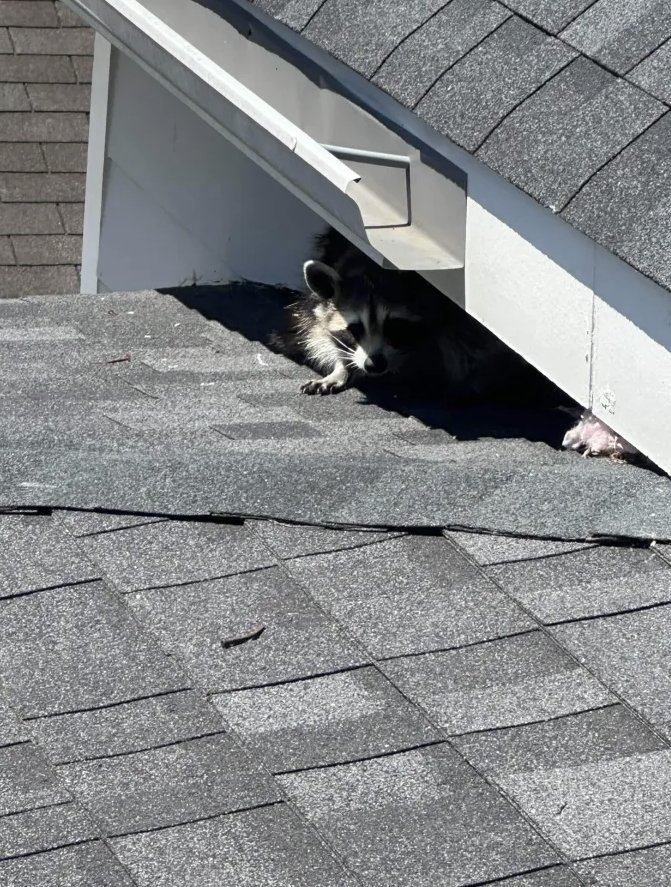
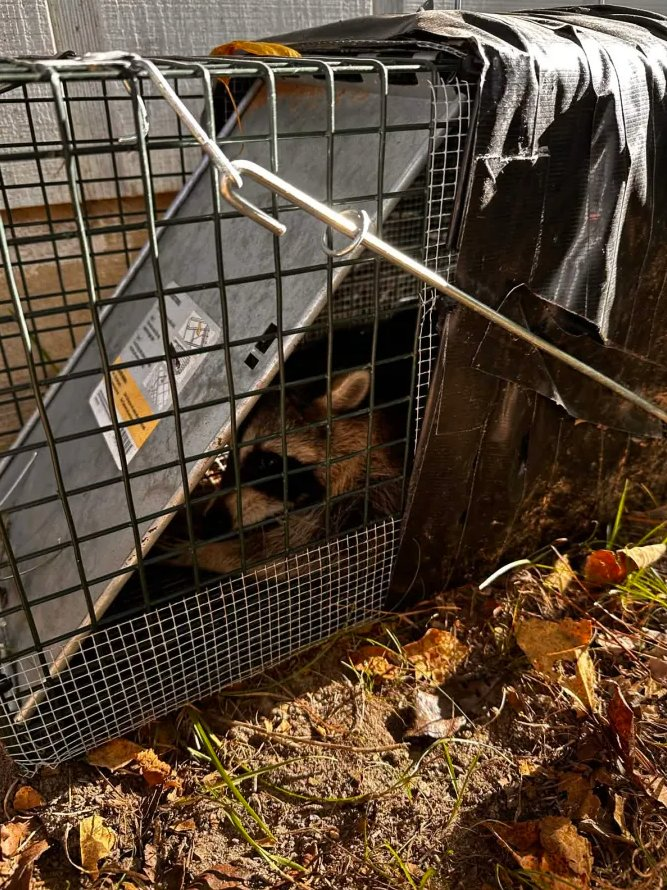
How Raccoons Get Into Your Home
Raccoons are strong animals — an adult can weigh 15-40 pounds and has powerful front paws capable of tearing open soffit panels, ripping off vent covers, and prying apart roofing materials. Common entry points include:
- Roof returns — the gap where the roof meets the soffit at corners is a favorite raccoon entry point
- Soffit panels — raccoons can tear through aluminum or vinyl soffit with their claws
- Chimneys — uncapped chimneys are an open invitation. See our chimney wildlife removal page
- Gable vents — raccoons can push through or tear vent covers
- Crawlspace vents — damaged or missing foundation vents provide ground-level access
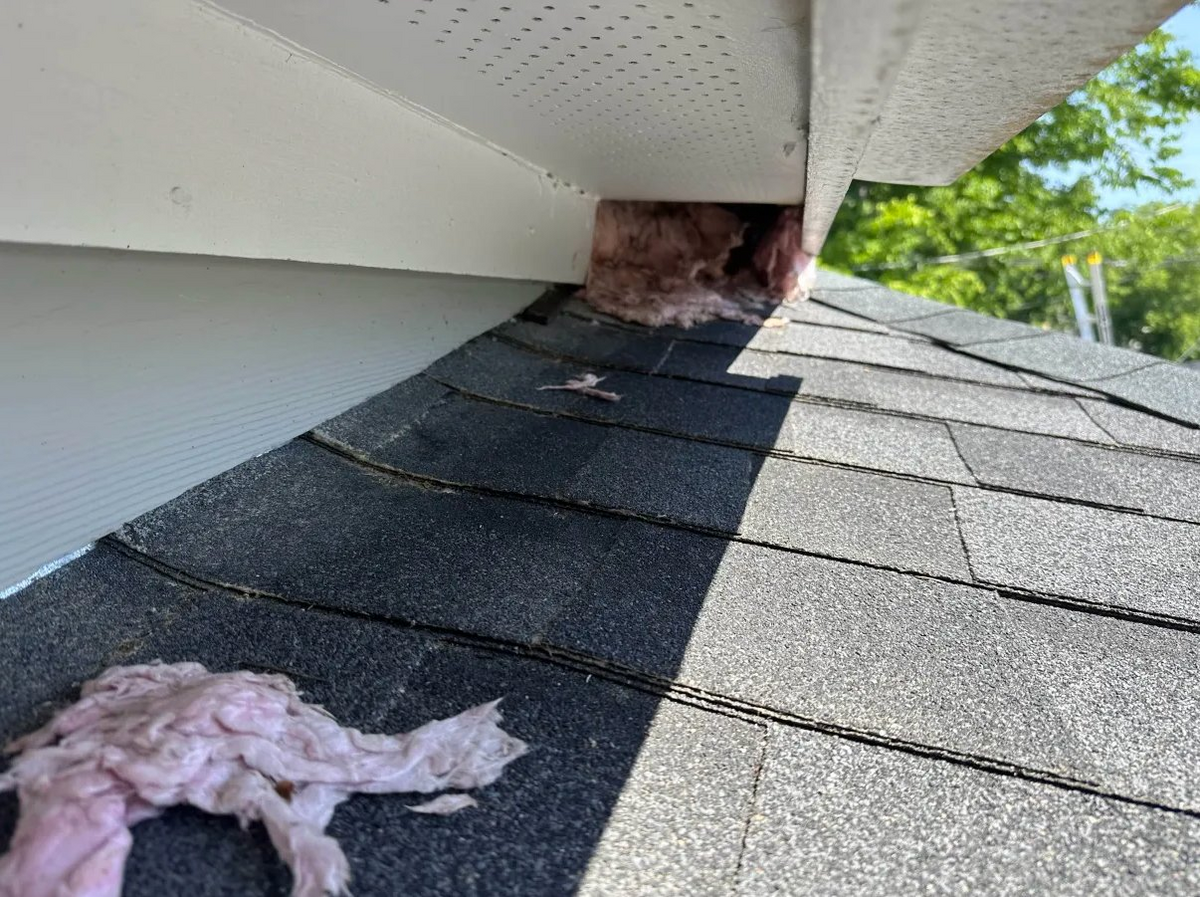
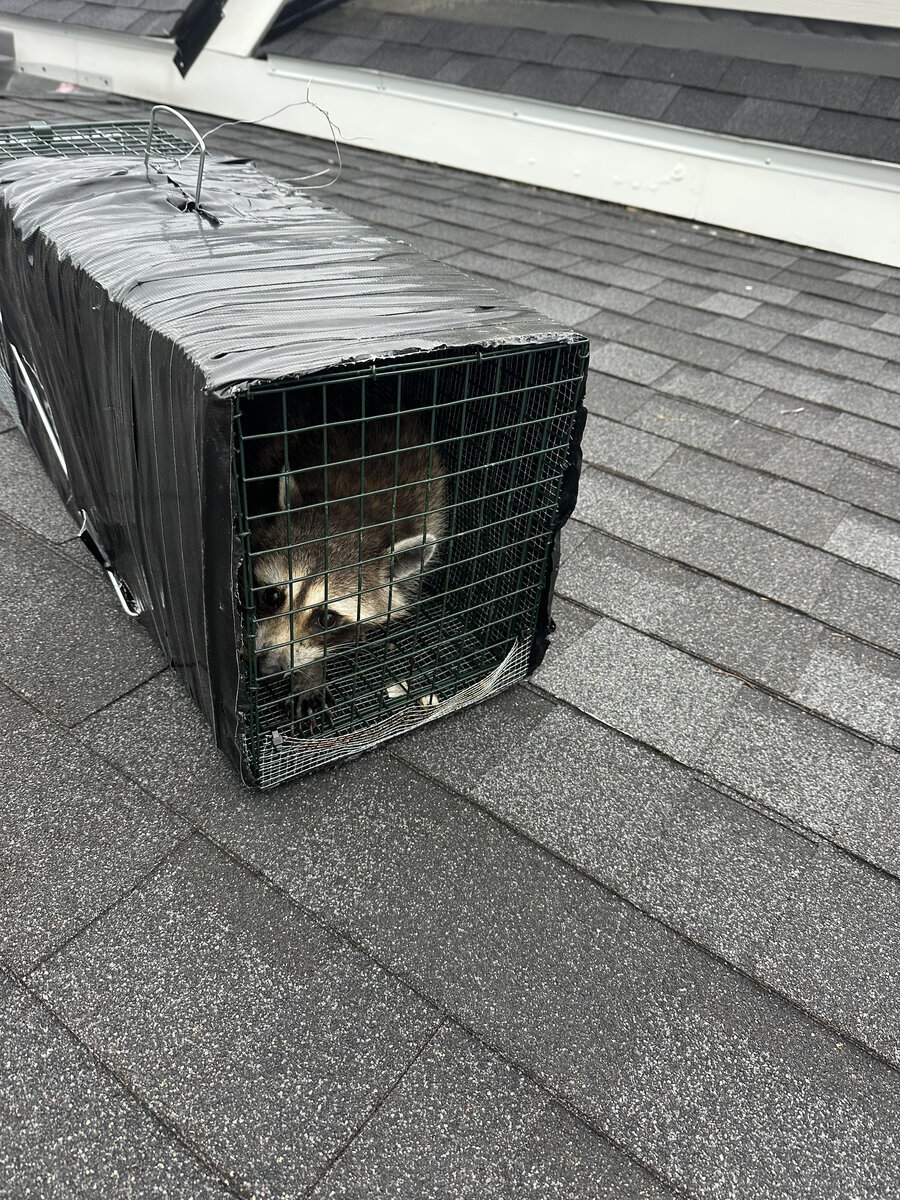
Raccoon Damage and Health Risks
Once inside, raccoons cause significant damage. They flatten insulation by using it as bedding, tear apart ductwork, and leave large accumulations of feces and urine that create health hazards. Raccoon roundworm (Baylisascaris procyonis) is particularly dangerous — the eggs are found in raccoon feces and can cause serious neurological damage in humans if accidentally ingested.
Raccoons are also one of the primary carriers of rabies in North Carolina. While most raccoons are not rabid, any raccoon that appears disoriented, aggressive, or active during daylight hours should be avoided and reported to animal control.
Signs of Raccoons
- Heavy thumping sounds at night — raccoons are much louder than squirrels or mice
- Large droppings in attic or on roof (similar to small dog droppings)
- Torn soffit panels or damaged vents
- Overturned garbage cans with lids removed
- Tracks — raccoon prints look like small human handprints
Raccoon Removal Process
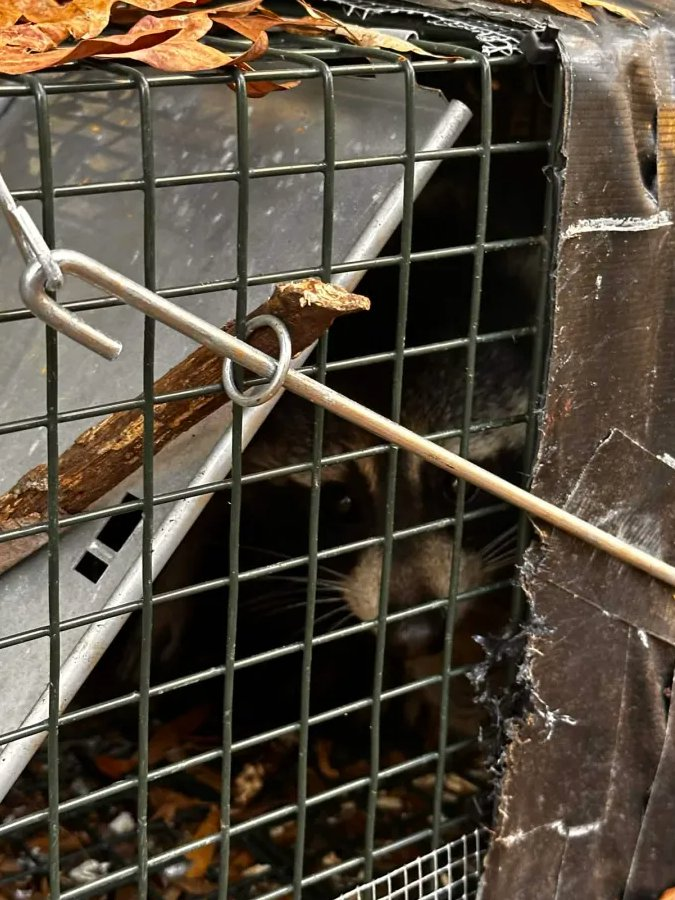
We use humane live-cage traps placed at or near entry points. For raccoons in chimneys, we use specialized eviction techniques. After removal, we seal all entry points with heavy-gauge animal-proof materials — standard hardware cloth isn't strong enough for raccoons. We also clean up and sanitize affected areas.