Flying Squirrels in the Triangle
Flying squirrels are one of the most underdiagnosed wildlife problems in Raleigh-area homes. Unlike gray squirrels that are active during the day, flying squirrels are nocturnal — so many homeowners hear scratching and scurrying at night and assume they have mice or rats. In reality, southern flying squirrels are extremely common in the Triangle and frequently colonize attics in large numbers.
Flying squirrels don't actually fly — they glide using a membrane of skin (called a patagium) stretched between their front and back legs. They can glide up to 150 feet from tree to tree, and from trees to your roofline. Their small size allows them to squeeze through gaps as small as a quarter.
What Do Flying Squirrels Eat?
Southern flying squirrels have a varied diet that includes nuts (especially acorns and hickory nuts), seeds, berries, insects, bird eggs, and even fungi. In the Triangle area, the abundance of oak and hickory trees provides an ideal food source. Flying squirrels are also known to cache food in attic spaces, which can attract secondary pests like insects and mice.
Signs of Flying Squirrels vs. Mice
Because flying squirrels are nocturnal, they're often confused with mice or rats. Here's how to tell the difference:
- Timing: Flying squirrels are most active from dusk to midnight and again before dawn. Mice are active throughout the night.
- Sounds: Flying squirrels make rapid scurrying and soft thumping sounds. Mice make lighter scratching sounds.
- Droppings: Flying squirrel droppings are similar in size to mouse droppings but tend to accumulate in specific latrine areas rather than being scattered.
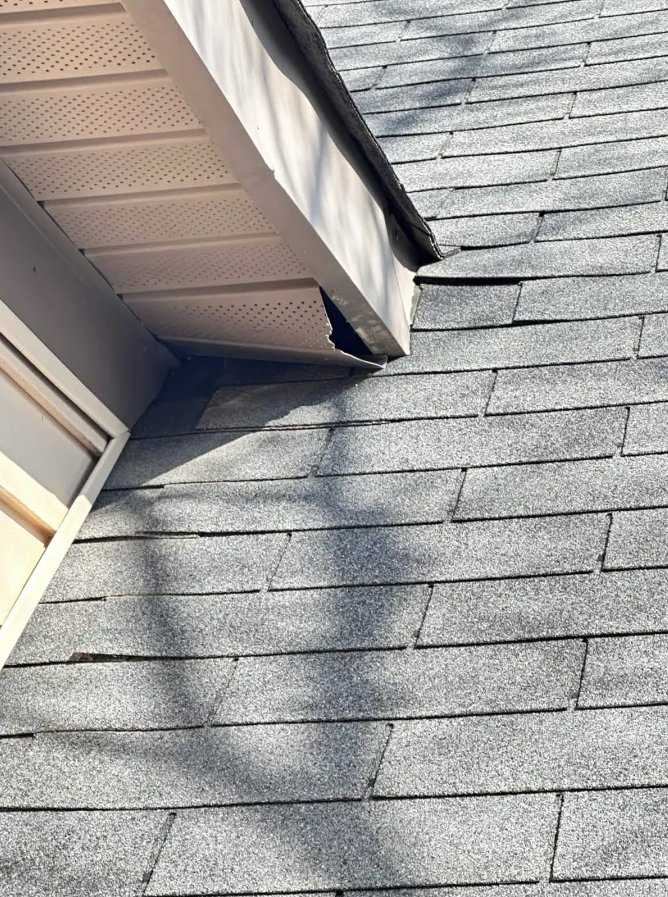
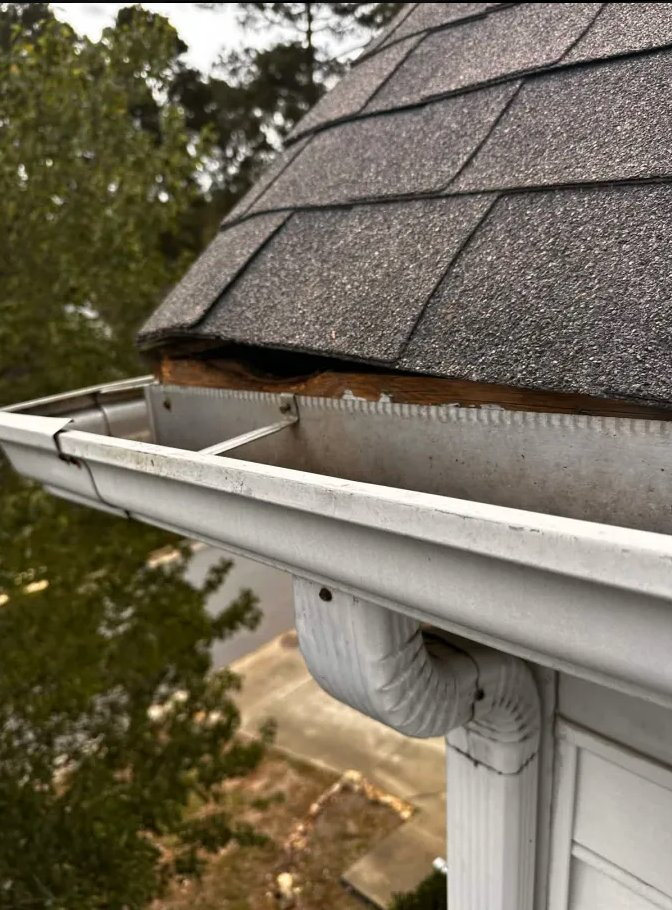
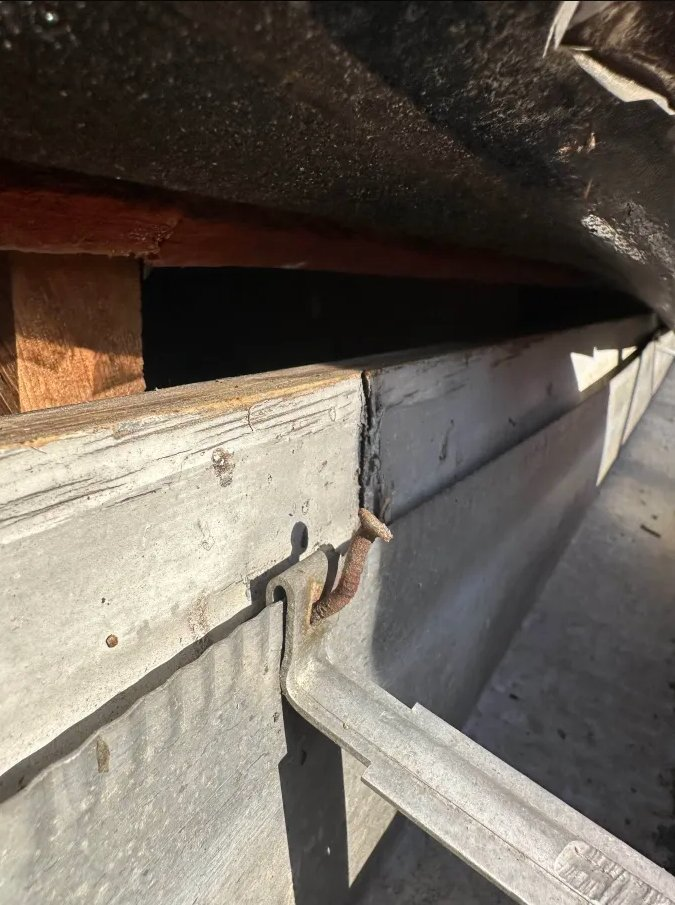
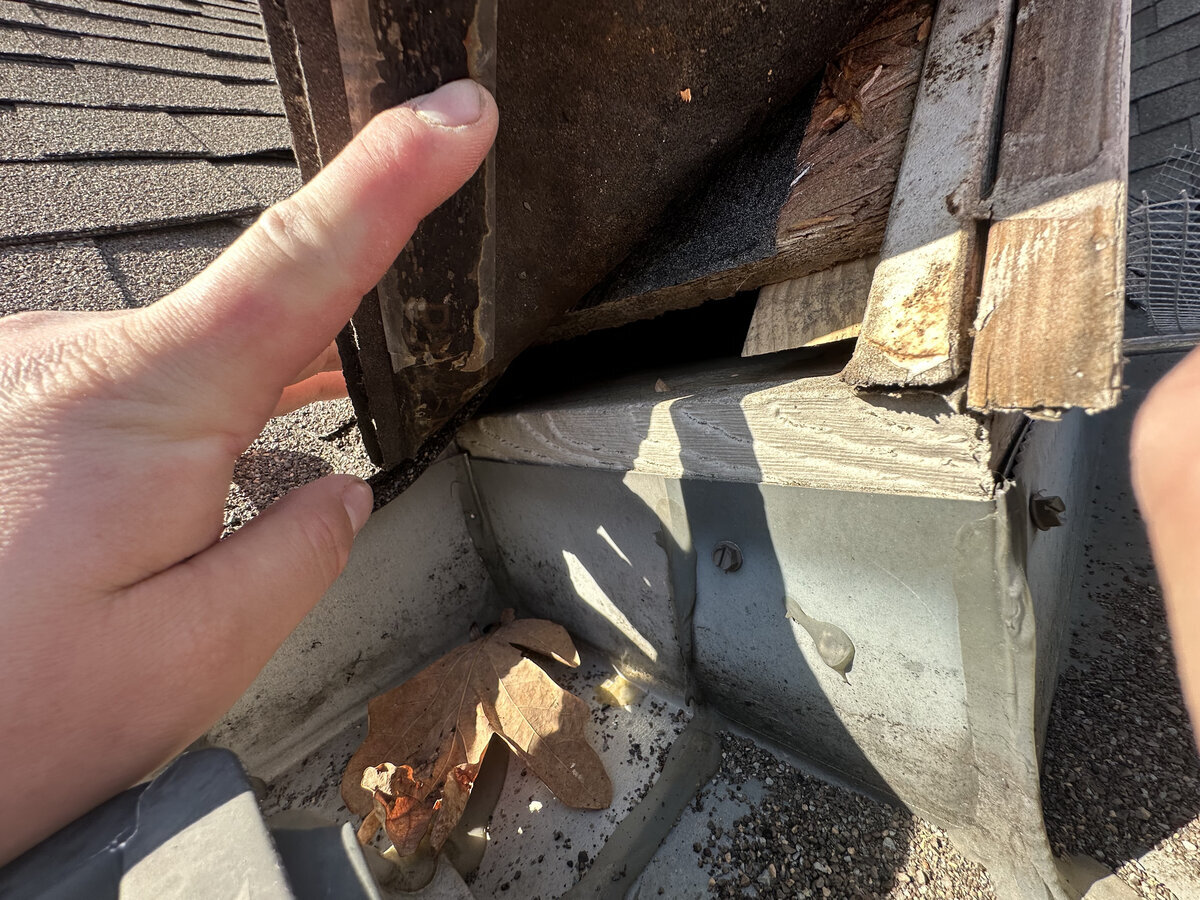
- Entry points: Flying squirrels typically enter at the roofline — soffit gaps, gutter/fascia junctions, and construction gaps. Mice enter at ground level.
- Colony size: Flying squirrels are social and often live in groups of 10-20 or more. A single mouse sighting may mean just a few, but flying squirrels come in numbers.
Flying Squirrel Removal
Because flying squirrels live in colonies, removal requires a systematic approach. We use one-way exclusion doors at primary entry points and seal all secondary gaps. Once the colony has exited through the exclusion device, we permanently seal the remaining entry and clean up any droppings or nesting material in the attic.