What Is Bat Exclusion?
Bat exclusion is the only legal and humane method for removing bats from homes in North Carolina. Unlike trapping (which is illegal for bats), exclusion allows bats to leave your home on their own and prevents them from re-entering. The process uses one-way exclusion devices — commonly called bat valves — installed at the primary entry points.
Bats can squeeze through gaps as small as 3/8 of an inch, so successful exclusion requires a thorough inspection and sealing of every potential entry point on the structure.
How Bat Valves Work
A bat valve is a one-way device installed over a bat's primary entry point. When bats leave at night to feed, they pass through the valve and exit normally. However, when they return, the valve's design prevents them from re-entering. Over the course of several nights, all bats vacate the roost.
Our Exclusion Process Step by Step
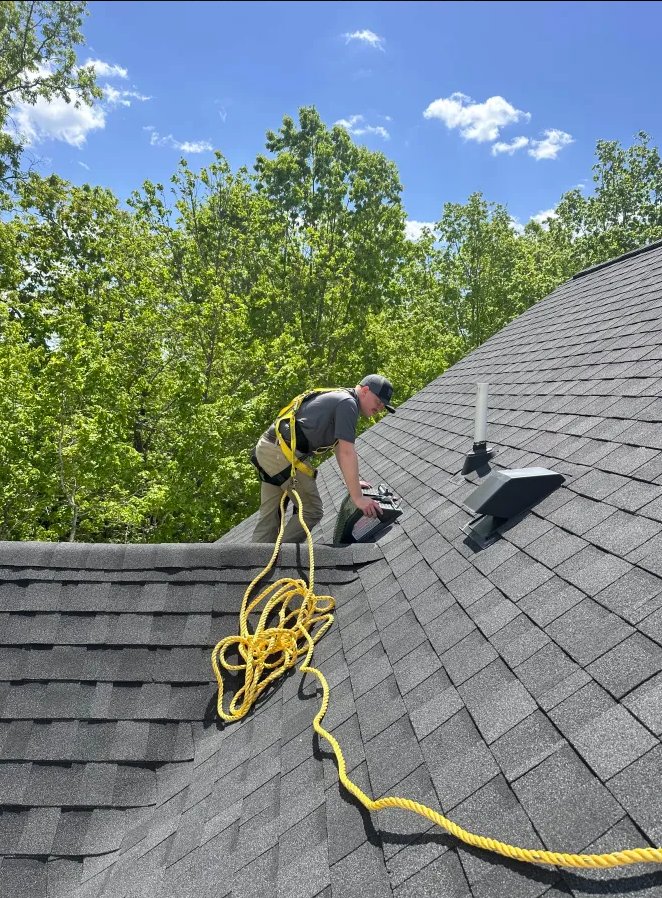
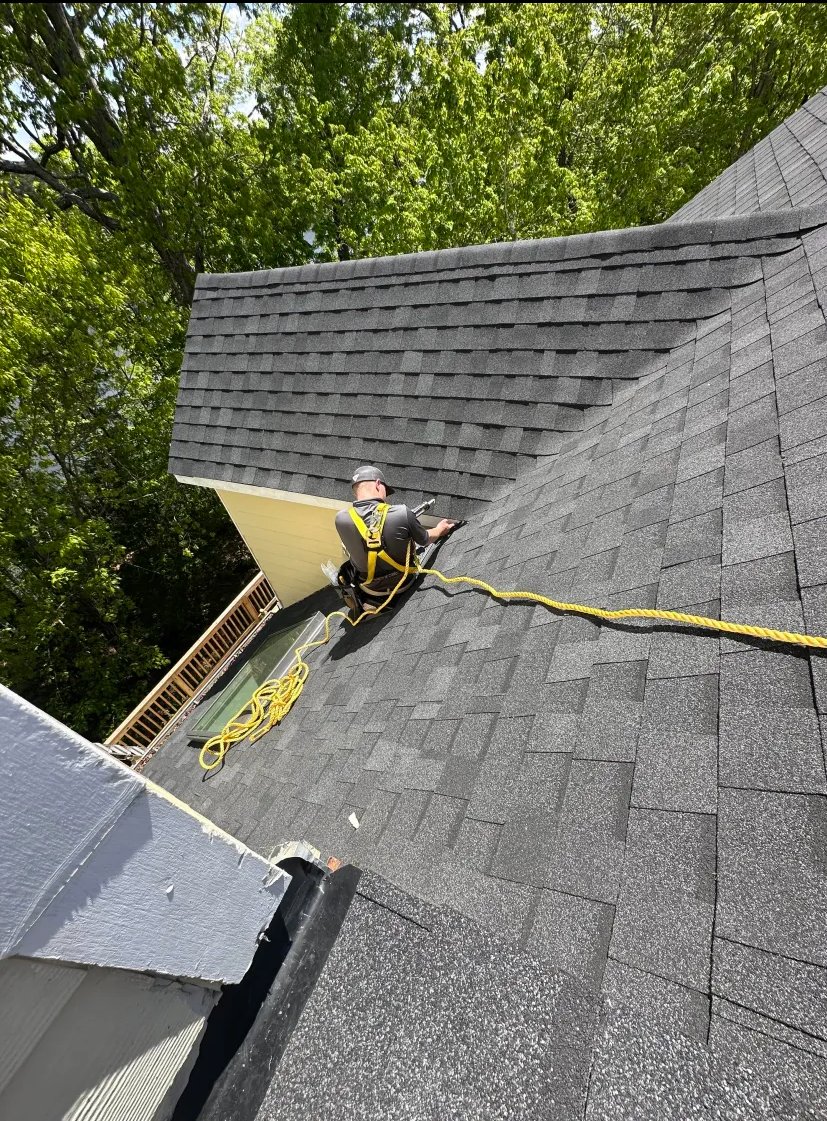
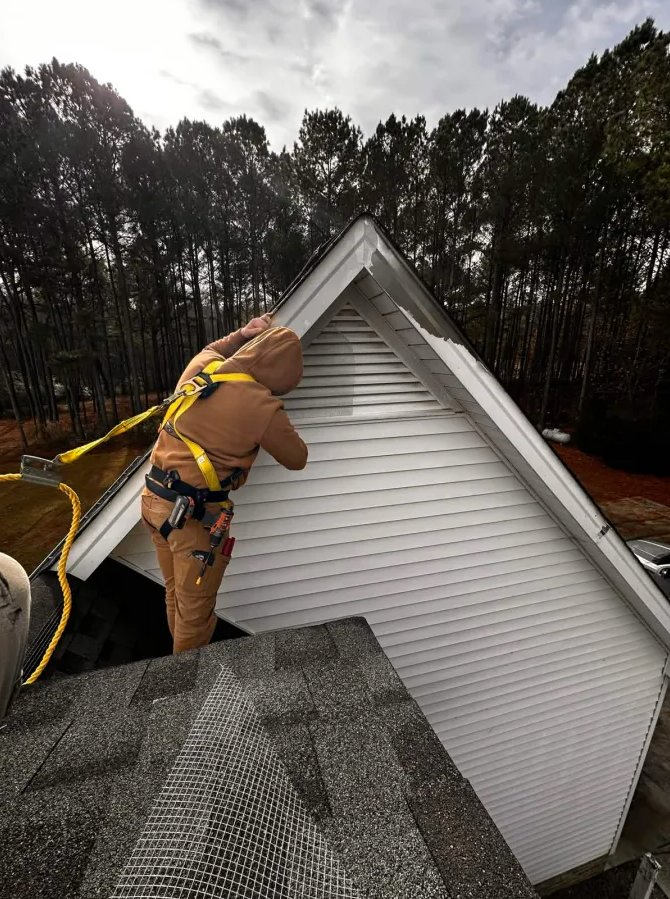
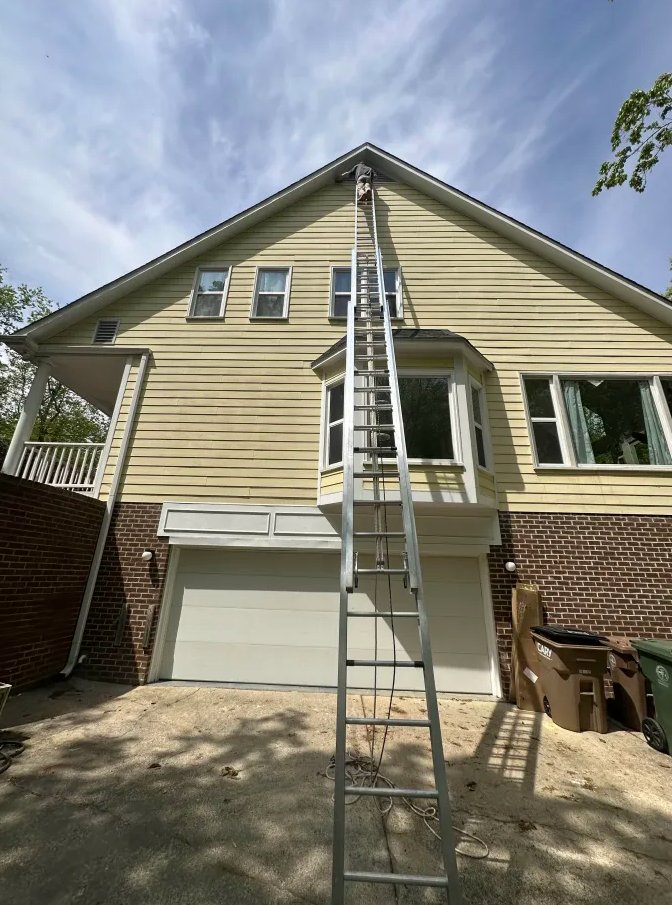
- Comprehensive inspection: We inspect the entire roofline, soffits, gable vents, fascia, and all other potential entry points — often from a harness on the roof
- Identify primary and secondary entries: Bats use a primary entry (usually showing brown staining and guano below) and have secondary exits throughout the structure
- Seal all secondary entry points: Using animal-proof materials, we seal every gap larger than 3/8" except the primary entries
- Install bat valves: One-way exclusion devices are placed at the primary entry points
- Monitoring period: We allow several nights for all bats to exit through the valves
- Final seal: Once all bats have vacated, we remove the valves and permanently seal the remaining entry points
- Cleanup: Guano removal and attic restoration as needed
Common Bat Entry Points
In the Raleigh-Triangle area, the most common entry points we find are:
- Gable vents — bats roost between the louvers and enter the attic through gaps
- Frieze board gaps — the junction between siding and soffit/fascia often has gaps bats exploit
- Ridge vents — improperly installed ridge vents can allow bat access
- Roof returns — the gap where the roof meets the soffit at corners
- Behind shutters — decorative shutters provide roosting spots near wall entry points
- Chimney flashing — gaps between flashing and masonry