How to Know If You Have Rodents
Mice and rats are secretive, nocturnal animals. Most homeowners have a rodent problem for weeks or even months before they realize it. By the time you see a live mouse or rat, the population is usually much larger than you think. Learning to recognize the early warning signs of a rodent infestation can help you catch the problem before it becomes a major headache.
The Warning Signs
1. Droppings
Droppings are the most common and most reliable sign of a rodent infestation. Fresh droppings are dark and moist; older droppings dry out and become gray and crumbly. Check along walls, inside cabinets, under sinks, and in pantries.
- Mouse droppings — small (about 1/4 inch), pointed at both ends, resembling dark grains of rice. Scattered randomly along travel paths.
- Rat droppings — much larger (1/2 to 3/4 inch), blunt at the ends, found in concentrated groups along walls and in corners.
- Quantity matters — a single mouse produces 50-75 droppings per day. If you're finding droppings regularly, you have an active infestation, not a one-time visitor.
2. Scratching and Scurrying Sounds
Rodents are most active at night. Listen for scratching, scurrying, or gnawing sounds in walls, ceilings, and under floors. Mice make lighter, faster sounds; rats make heavier, slower sounds. If you hear sounds in your attic during the day, it's more likely squirrels than rodents — squirrels are diurnal (active during daylight), while rodents are nocturnal.
3. Gnaw Marks
Rodents chew constantly to keep their teeth worn down. Look for gnaw marks on food packaging, baseboards, door frames, wiring, and plastic containers. Fresh gnaw marks are lighter in color; older marks darken over time. Rat gnaw marks are larger and more jagged than mouse gnaw marks.
4. Grease and Rub Marks
Rodents follow the same paths repeatedly, and their oily fur leaves dark, greasy rub marks along walls, baseboards, and around entry points. These marks are especially visible along light-colored walls and at points where rodents squeeze through tight spaces.
5. Nests and Nesting Material
Mice build nests from shredded paper, fabric, insulation, and other soft materials. Check behind appliances, inside wall voids, in storage boxes, and in attic insulation for nests. Rats tend to nest in burrows outdoors or in lower-level spaces like crawlspaces and basements.
6. Tracks and Runways
In dusty areas like attics and crawlspaces, you may see rodent tracks — tiny footprints and tail drag marks. You can test for active pathways by sprinkling a light layer of flour or talcum powder along suspected routes and checking for fresh tracks the next morning.
7. Odor
A large or long-established rodent population produces a distinctive musty, ammonia-like smell from accumulated urine. This odor is especially noticeable in enclosed spaces like cabinets, closets, crawlspaces, and attics. If you notice a sudden, strong smell, it may also indicate a dead rodent in a wall or ceiling void.

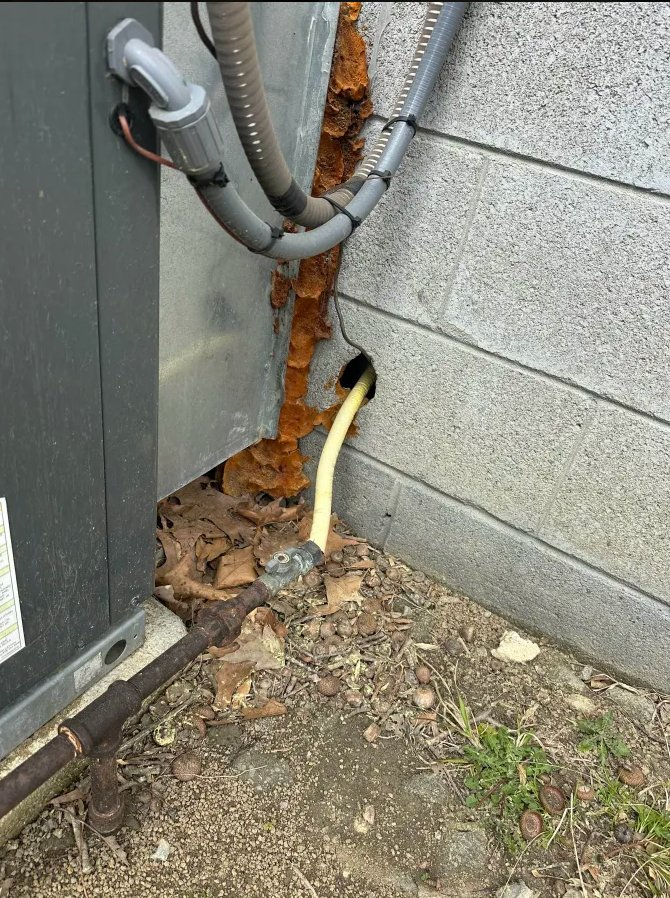
Where to Check for Rodents
- Kitchen — behind the stove and refrigerator, under the sink, inside cabinets and drawers, around plumbing penetrations
- Attic — along the edges where the roof meets the walls, near HVAC equipment, in insulation
- Crawlspace — around foundation vents, along pipes and wiring, near any stored materials
- Garage — behind storage items, near the garage door seal, around utility connections
- Utility areas — around water heaters, HVAC closets, and any areas where pipes or wires enter the home
What to Do If You Find Signs
If you're finding multiple signs of rodent activity, you have an active infestation that requires professional attention. Store-bought traps and poison can reduce the visible population but won't solve the underlying problem — rodents are entering your home through specific gaps and openings that need to be found and sealed.
Rapid Wildlife Removal provides comprehensive rodent control that includes inspection, trapping, exclusion (sealing entry points), and cleanup. We focus on the crawlspace and foundation area, which is the most common rodent entry zone in Triangle-area homes.
How Fast Do Rodents Multiply?
A single pair of mice can produce up to 60 offspring in one year. Each of those offspring can begin breeding at 6 weeks old. What starts as 2 mice can become 60+ within months if the entry points aren't sealed. Don't wait — call (984) 884-2688 for a professional inspection.