The Short Answer: It's Extremely Rare
One of the most common questions homeowners ask when they encounter an opossum on their property is whether it might have rabies. The answer is reassuring: while no mammal is completely immune to rabies, opossums are far less likely to carry the virus than almost any other wild animal you might encounter in North Carolina.
The reason comes down to body temperature. The rabies virus thrives in warm-blooded hosts, but opossums have an unusually low body temperature for a mammal — typically around 94-97°F compared to 98-99°F for most other mammals. This lower body temperature makes it difficult for the rabies virus to survive and replicate in an opossum's system.
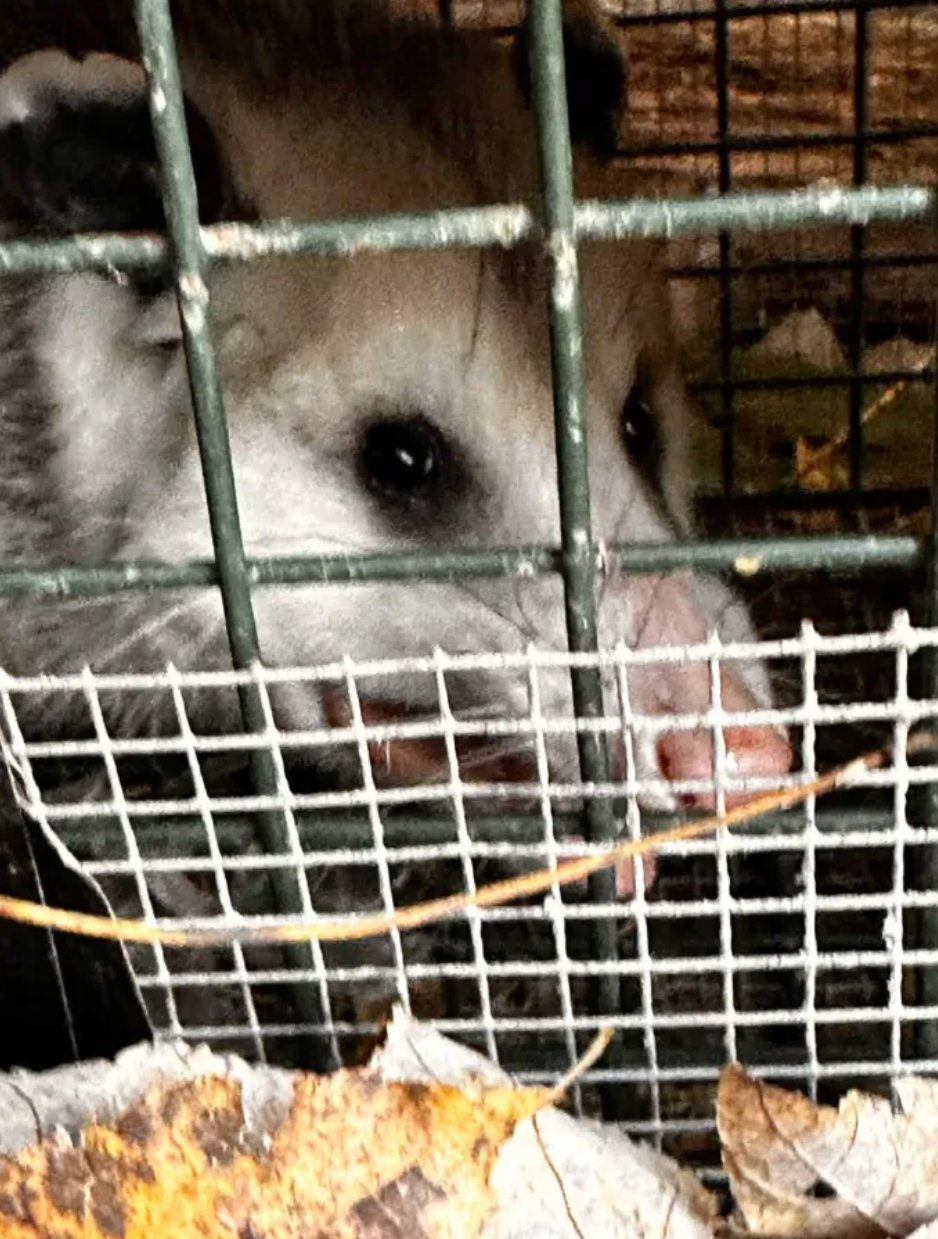
How Rare Is Rabies in Opossums?
According to data from wildlife health agencies, opossums account for a tiny fraction of rabies cases in the United States. In North Carolina, the primary rabies carriers are raccoons, bats, foxes, and skunks — not opossums. While isolated cases have been documented, finding a rabid opossum is exceptionally uncommon.
To put it in perspective: you are significantly more likely to encounter a rabid raccoon, bat, or fox in the Raleigh-Triangle area than a rabid opossum. This doesn't mean you should handle opossums carelessly, but rabies specifically should be low on your list of concerns.
Why Do Opossums Look Rabid?
Opossums often get mistaken for rabid animals because of their natural behaviors when threatened:
- Drooling and hissing — when cornered, opossums bare their teeth, drool, and hiss aggressively. This looks alarming but is a normal defensive bluff. They're trying to look scary to make you leave them alone.
- Swaying and appearing disoriented — opossums sometimes move slowly and unsteadily, which people interpret as neurological symptoms. In reality, opossums are just not very graceful animals.
- Playing dead — the famous "playing possum" response is an involuntary reaction to extreme stress. The opossum goes limp, its eyes glaze over, and it may release a foul-smelling fluid. It can remain in this state for minutes or even hours. This is not a sign of illness.
- Active during daylight — while opossums are primarily nocturnal, it's not unusual to see them during the day, especially nursing mothers who need extra foraging time. Daytime activity alone is not a sign of rabies.
What Risks Do Opossums Actually Pose?
While rabies is rarely a concern, opossums can present other issues for homeowners:
- Bites — opossums can bite when cornered or handled. Their mouths carry bacteria that can cause infection. Never attempt to pick up or touch a wild opossum.
- Fleas and ticks — opossums can carry external parasites that may transfer to pets or enter your home.
- Leptospirosis — a bacterial disease spread through opossum urine that can affect humans and pets, particularly in areas where opossums frequent.
- Property damage — opossums nesting under decks, in crawlspaces, or in attics can cause odor issues and minor structural damage.
- EPM in horses — opossums are the definitive host for the parasite that causes Equine Protozoal Myeloencephalitis, a serious neurological disease in horses.
The Benefits of Opossums
Despite being unwelcome houseguests, opossums are actually one of the most beneficial wildlife species in your yard:
- Tick control — a single opossum can eat up to 5,000 ticks per season. They're one of the most effective natural tick predators, which helps reduce the risk of Lyme disease in your yard.
- Pest control — opossums eat cockroaches, beetles, slugs, snails, and even small rodents.
- Cleanup crew — they eat carrion (dead animals), fallen fruit, and overripe vegetables, helping keep your yard clean.
- Snake resistance — opossums have a natural resistance to most pit viper venom, including copperheads, and will eat snakes they encounter.
When to Call a Professional
While opossums in your yard are generally harmless, you should call for professional removal if an opossum has taken up residence under your deck, in your crawlspace, in your attic, or in any other enclosed area of your property. Opossums living in close quarters with humans create odor problems and parasite risks that are best addressed professionally.
You should also call if you encounter an opossum that appears genuinely ill — not just defensive. Signs of actual illness include stumbling in circles, unprovoked aggression without the typical hissing display, or visible injuries. In these cases, contact Rapid Wildlife Removal and we'll assess the situation safely.
Important
If you or a pet are bitten by any wild animal, contact your doctor or veterinarian immediately regardless of the rabies risk level. All animal bites carry infection risk and may require medical attention.