Why Birds Nest in Vents
Dryer vents, bathroom exhaust vents, and kitchen range hood vents are irresistible to nesting birds. The warm air exiting these vents signals a sheltered, temperature-controlled cavity — exactly what birds look for in a nesting site. European starlings and house sparrows are the most common culprits in the Raleigh-Triangle area, and they can build a nest inside a vent in just a few days.
The problem goes beyond inconvenience. A bird nest in a dryer vent is a genuine fire hazard — the combination of lint buildup and dry nesting material (twigs, grass, leaves) creates extremely flammable conditions. A blocked dryer vent also forces your dryer to work harder, increasing energy costs and shortening the appliance's life.
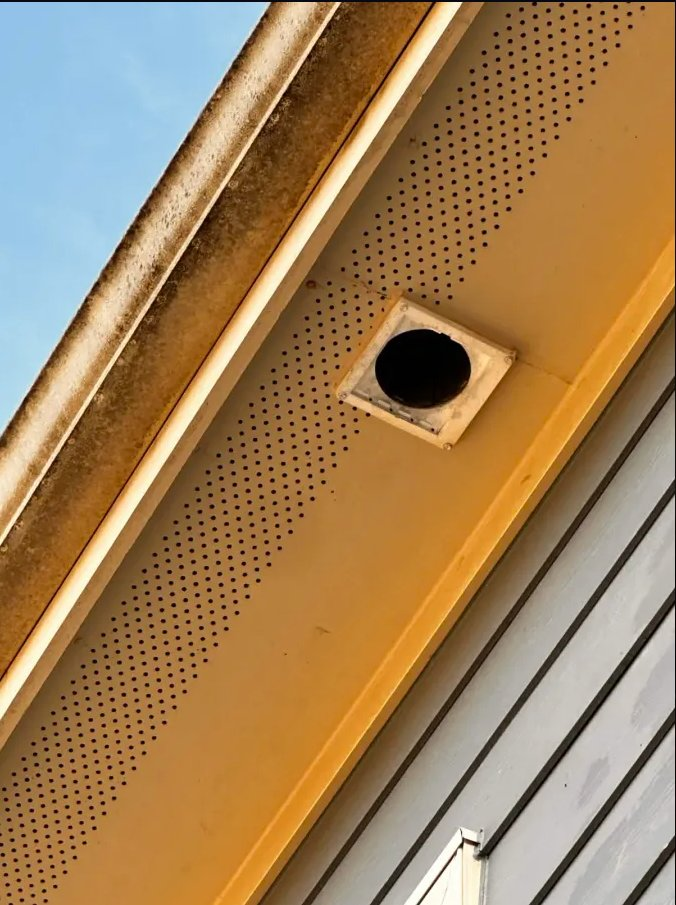
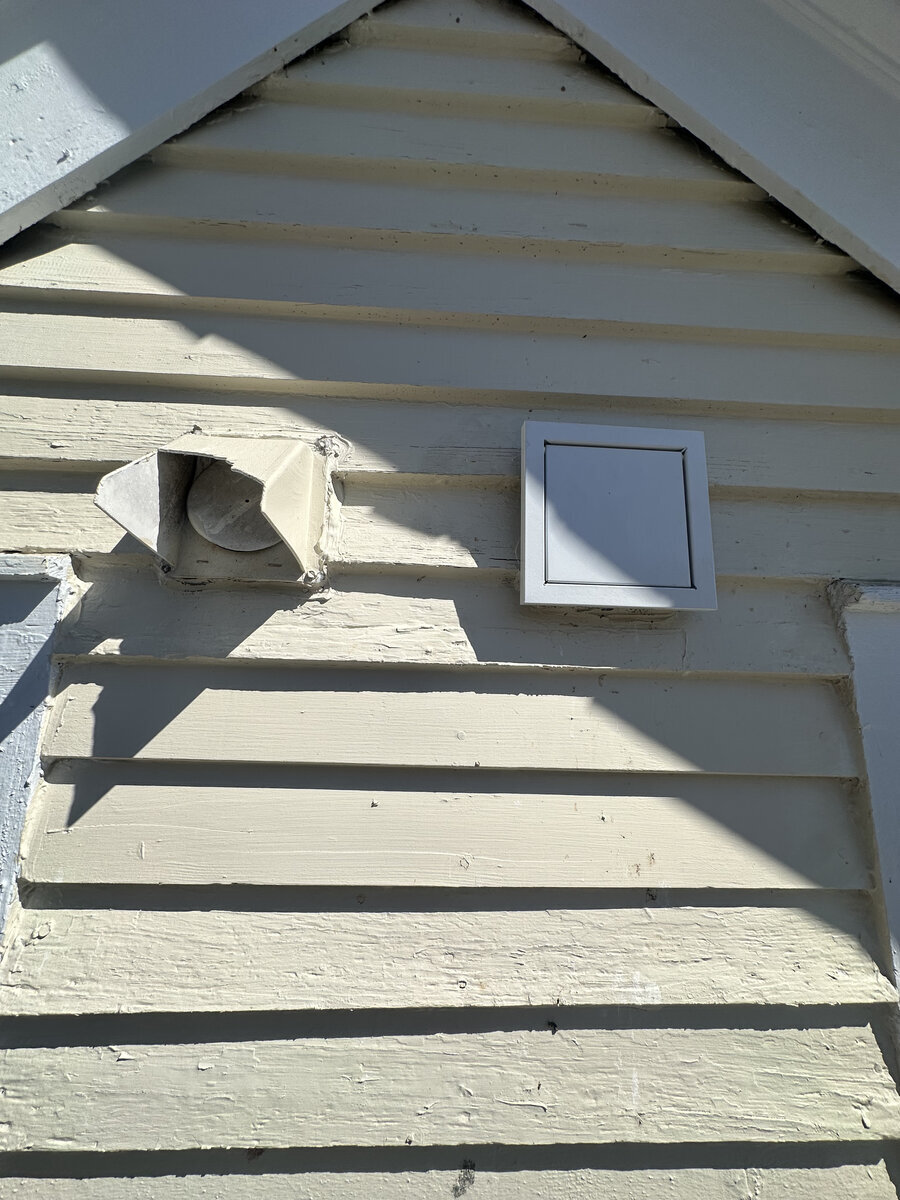
Signs of Birds in Your Vents
- Chirping or scratching sounds from inside the vent, especially in spring and early summer during nesting season
- Debris visible at the vent opening — sticks, grass, or feathers poking out
- Reduced airflow — your dryer takes longer to dry clothes, or your bathroom stays humid after running the exhaust fan
- Birds repeatedly seen entering or exiting the vent cover on the exterior of your home
- Unpleasant odor — droppings and decaying nesting material can produce a noticeable smell, especially when the vent is running
- Flapping sounds — a bird trapped deeper in the ductwork may flap its wings trying to escape
The Fire Risk Is Real
According to the U.S. Fire Administration, clogged dryer vents are responsible for thousands of home fires each year. When a bird nest blocks the vent, lint that would normally exit the home accumulates behind the blockage. This combination of lint, dry nesting material, and the heat from your dryer creates conditions that can easily ignite. If your dryer is taking longer than usual to dry a load, stop using it and have the vent inspected.
Can I Remove the Nest Myself?
If the nest has no eggs or chicks and you can reach it easily from the exterior vent cover, you can remove it carefully with gloves. However, there are situations where professional help is needed:
- Nest with eggs or chicks — most songbirds are protected under the Migratory Bird Treaty Act. Disturbing an active nest with eggs or young is illegal for most species. Wait until the young have fledged, or call a professional who can advise on legal options.
- Nest deep in the ductwork — nests built several feet into the vent require professional extraction to avoid pushing debris further in or damaging the duct.
- Recurring problem — if birds keep returning to the same vent, removal alone won't solve it. You need a professional vent cover that allows airflow while preventing bird entry.
Professional Vent Covers — The Permanent Fix
The builder-grade vent covers that come standard on most homes offer minimal protection against birds. The flaps are lightweight and easy for determined birds to push open, or the louvers have gaps wide enough for small birds to enter. Rapid Wildlife Removal installs professional-grade, animal-proof vent covers that maintain proper airflow while creating a physical barrier birds cannot penetrate.
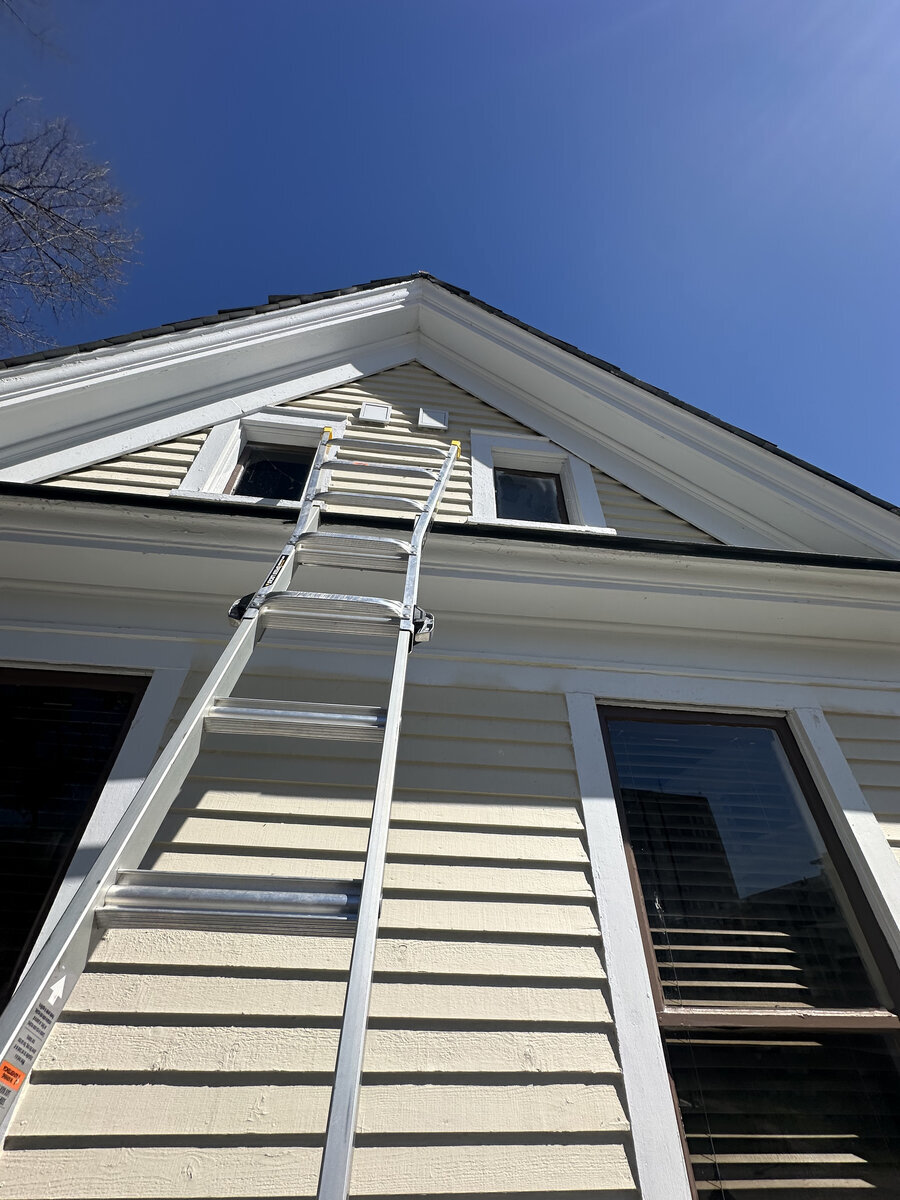
We inspect all exterior vents on the home — dryer, bathroom, kitchen, and any attic exhaust vents — and replace vulnerable covers as needed. This one-time fix prevents bird nesting permanently.
Other Vent Issues
Birds aren't the only animals that use vents. We also find mice entering bathroom vents at soffit level, squirrels chewing into gable vents, and bats roosting behind loose vent covers. A comprehensive wildlife inspection identifies all vulnerable vents on your home so they can be addressed at once.